
The Next AI Trade Is Moving Up the Stack
Market Signals - Aug 10, 2026: Agent infrastructure is emerging, an overlooked AI beneficiary is waking up, and memory faces its next test.

The price of intelligence is falling.
That does not necessarily mean AI spending will fall with it. When the cost of intelligence declines, companies can use more of it.
Recent releases from Moonshot, Qwen and Meta have pushed that decline into a new phase. Models with frontier-level capabilities are now available at a fraction of the cost of the ones from Anthropic and OpenaAI.
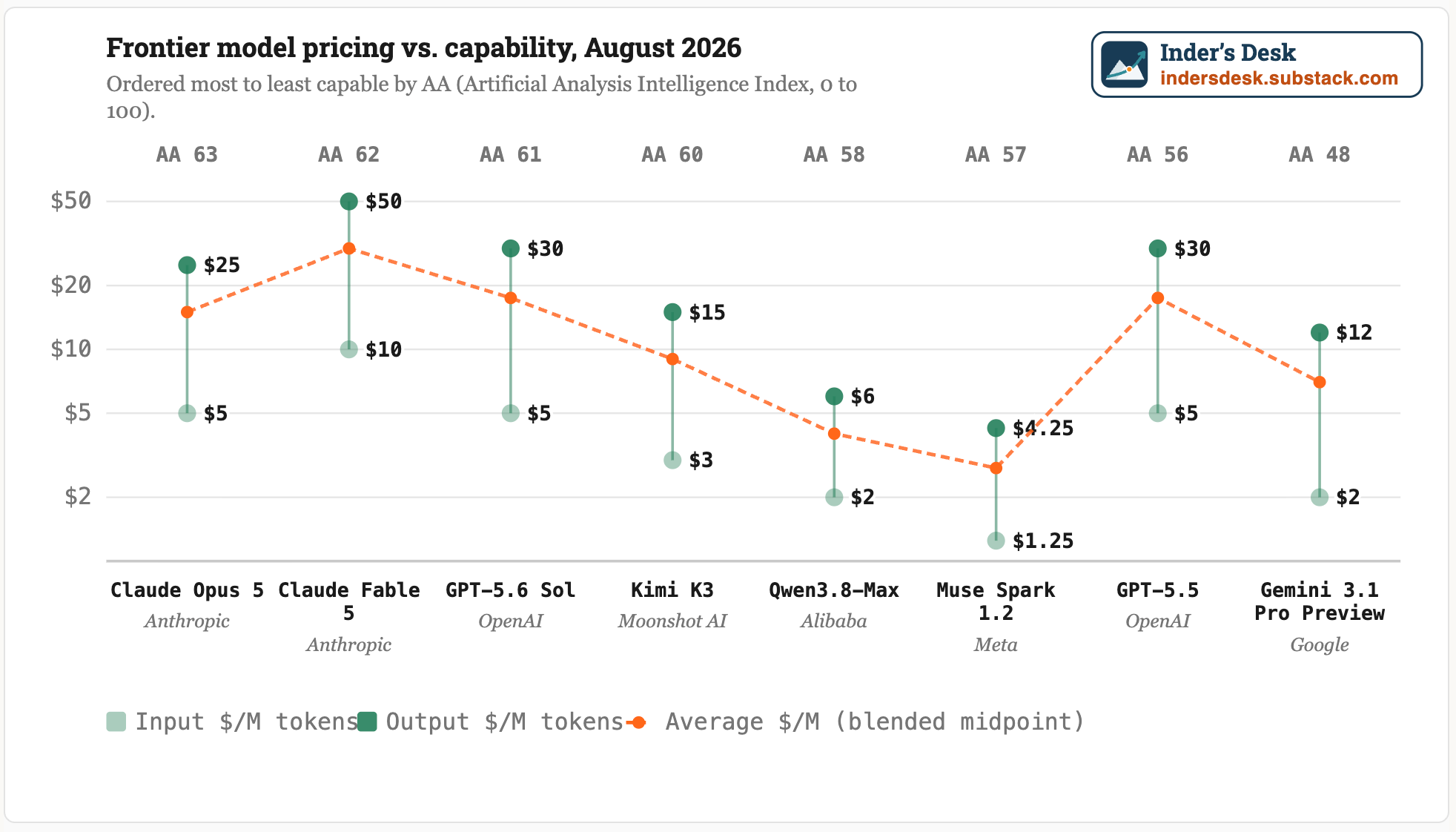
Cheaper inference makes it easier for companies to embed AI in more products, automate more workflows and deploy more autonomous agents. It also increases the amount of software being written and the number of machine actions taking place inside the enterprise.
All of that activity has to be built, deployed, coordinated, monitored and secured.
The investment chain is becoming clearer: cheaper inference leads to more AI features; more AI features create more agents; more agents increase demand for the software that manages and protects them.
This is creating a second-order AI opportunity. The next trade is beginning to move beyond models and compute. It is moving up the stack, and the market is starting to confirm that shift in the prices.
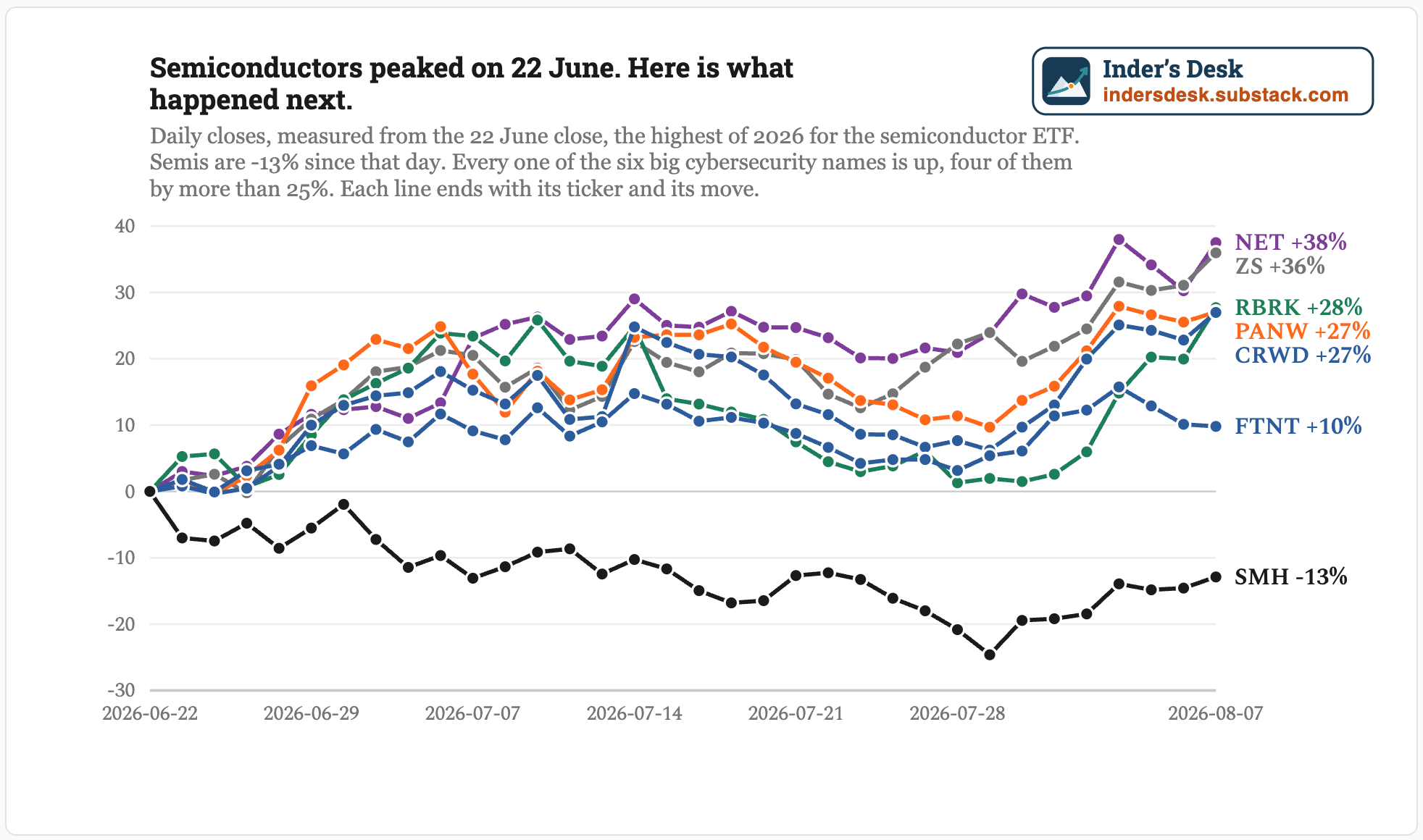
Agent Security
Cybersecurity vendors are preparing for a world in which autonomous agents become identities that must be controlled. They are building products and forming partnerships for that future. The reason the opportunity matters is structural.
An agent authenticates as something, receives access to systems, moves traffic across networks, and reads and writes data. Each action creates a distinct security requirement.
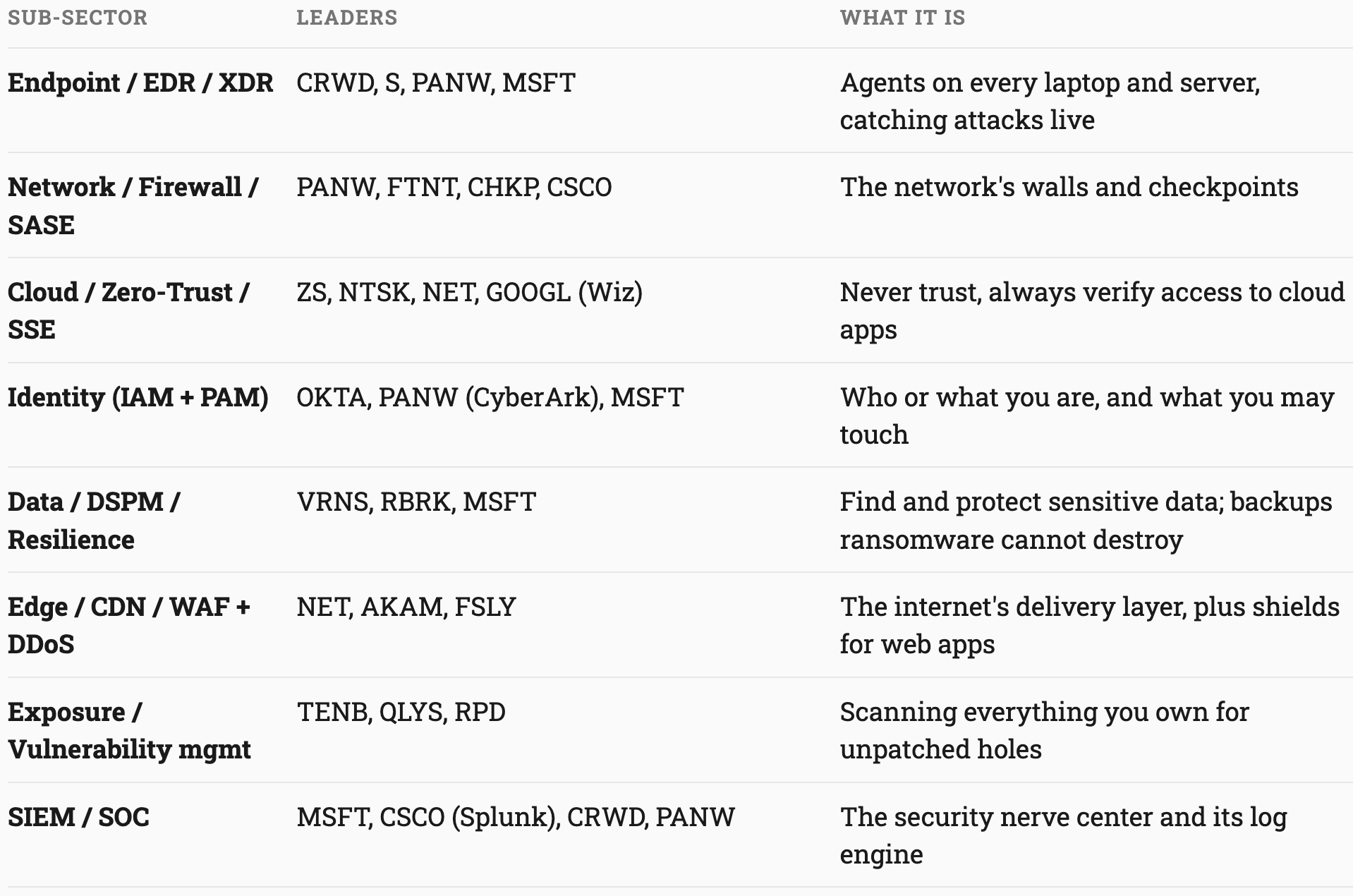
Identity determines what the agent is and what it may touch. Access and endpoint security protect where it runs. Network security monitors what it crosses. Data security controls what it can read, copy, or modify. Exposure management and the SIEM/SOC layer then watch for weaknesses and abnormal behavior at machine speed.
The map below shows the leading companies across each layer of the emerging agent-security stack. For a company-by-company breakdown, read The Cybersecurity Map
Citrini introduced a cybersecurity framework that provides another useful lens. It separates vendors by the strength of their current positioning and the degree to which AI could expand their opportunity.
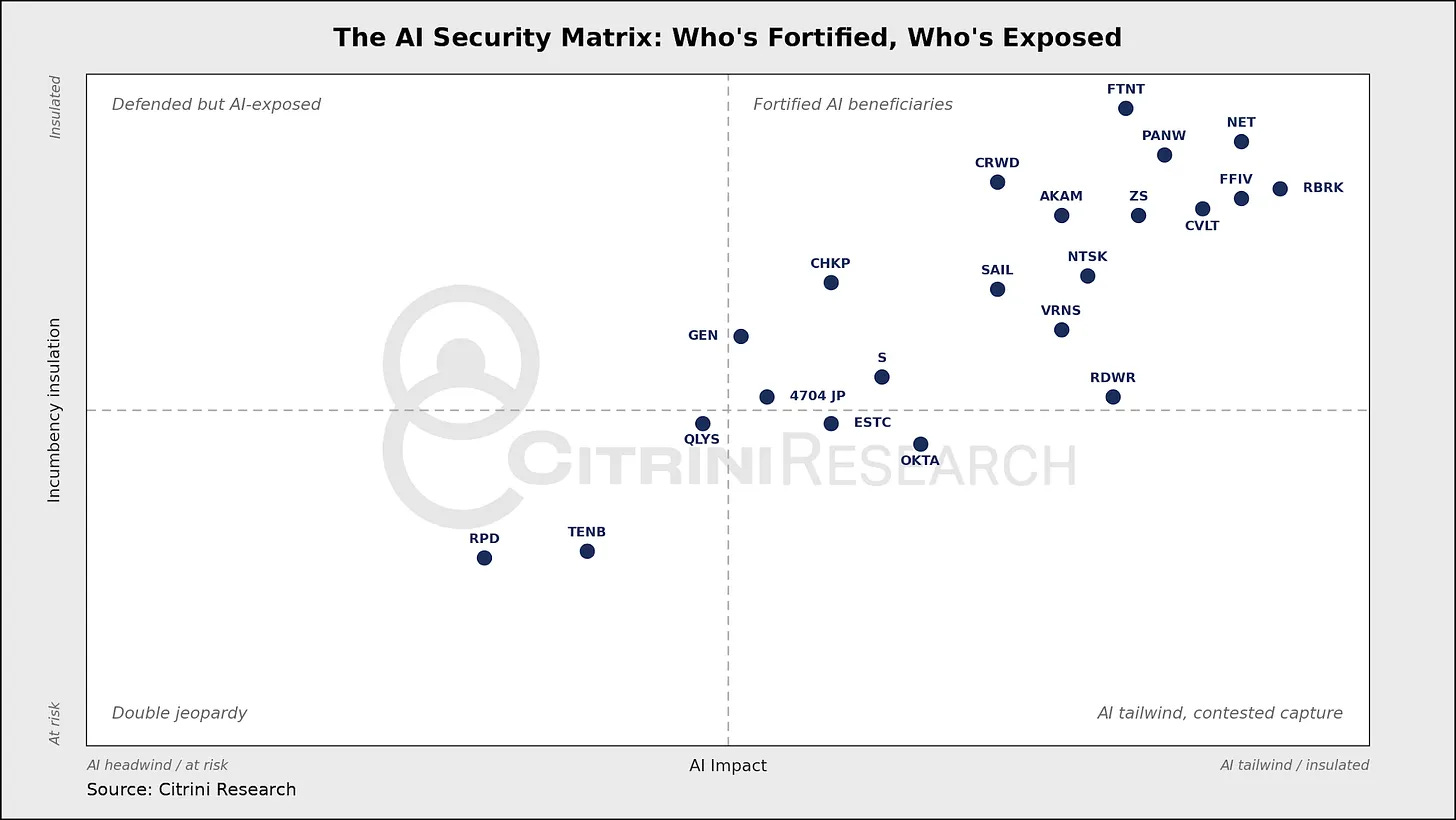
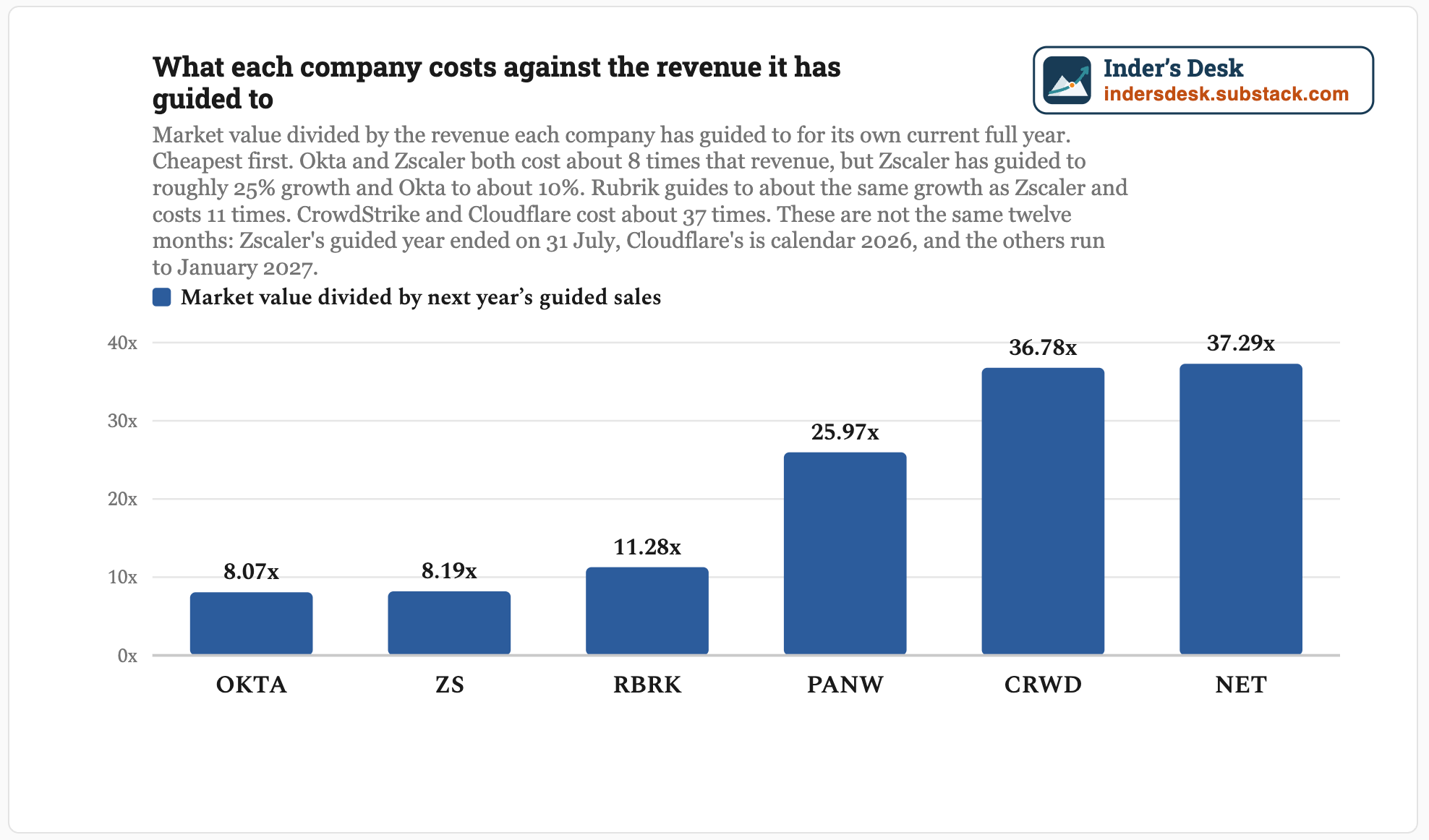
RBRK 0.00%↑ and ZS 0.00%↑ stand out to me. Both participate in important parts of the stack, and both trade at lower forward price-to-sales multiples than several of the sector’s most highly valued leaders. Lower valuation is not a reason to buy by itself, but it becomes interesting when improving fundamentals and price confirmation begin to align.
The Agent Builders and Managers
As enterprises deploy more agents, coordination becomes a bottleneck. The management layer determines what each agent should do, which systems it can use, how its work is approved, and whether it completed the task successfully.
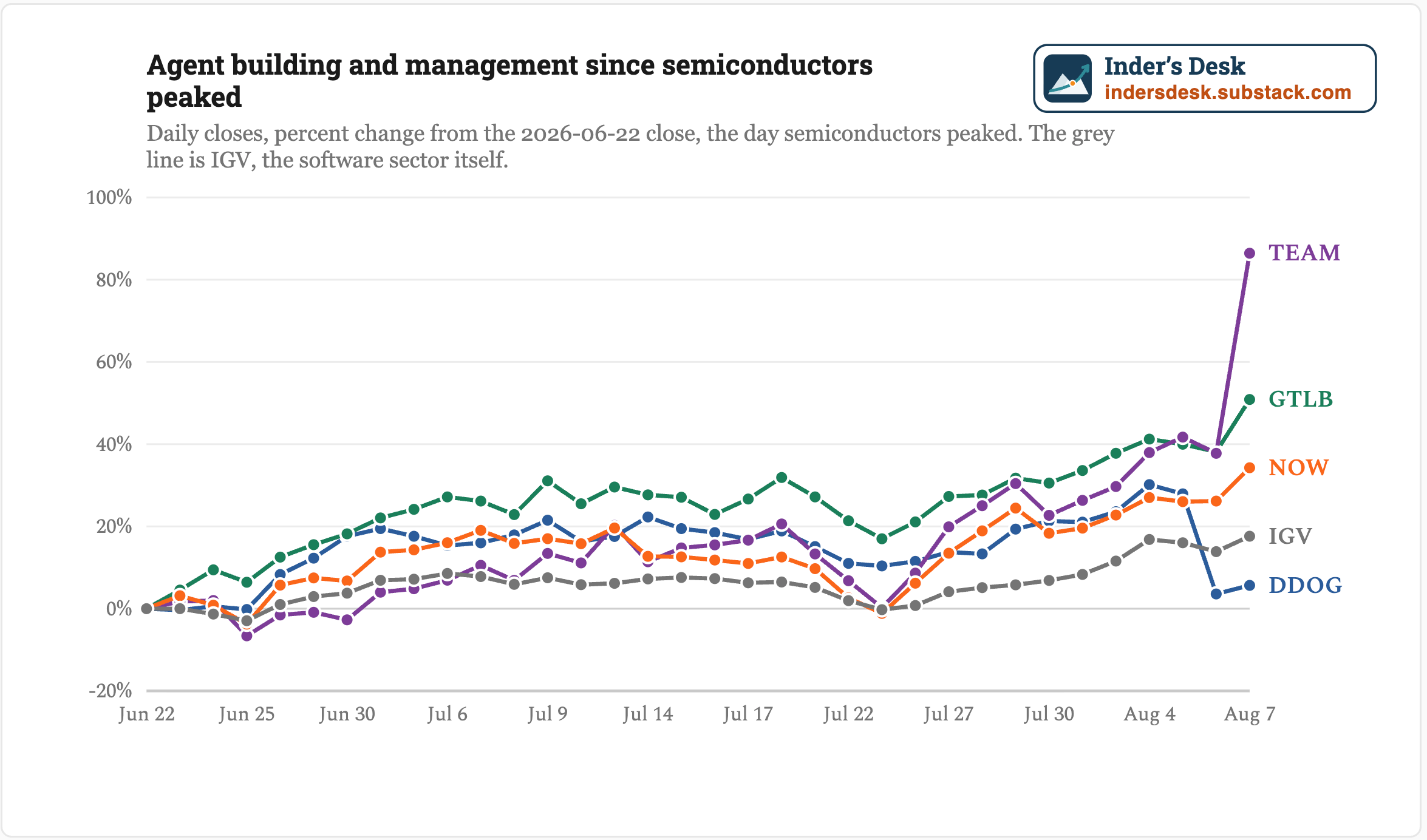
ServiceNow NOW 0.00%↑ already sits inside the workflows that large companies use to route IT, HR, and operational requests. Its AI Agent Fabric connects third-party agents to enterprise systems, while AI Agent Orchestrator coordinates their work. The company says agentic deployments of its AI grew ninefold in nine months.
Atlassian TEAM 0.00%↑ owns Jira and Confluence, two systems where software teams define work and preserve context. Rovo extends across those products and external sources such as Google Drive and SharePoint. Atlassian is positioning Jira as the system of record for work performed by humans and coding agents. For a deeper look at that thesis, read my recent Atlassian deep dive
GitLab GTLB 0.00%↑ controls the software development pipeline from source code through testing, security, and deployment. Agents may write more code, but that code still has to pass through a governed system before it reaches production.
Datadog DDOG 0.00%↑ observes software after it begins running. As agents create more applications and machine-driven activity, enterprises need to understand what is happening, identify failures, and trace abnormal behavior before it spreads.
These companies are not competing to build the best model. They own the systems where enterprise work is assigned, executed, shipped, and monitored. Security keeps agents safe. Management makes them useful. Cheaper inference could make those control layers more valuable.
The Data Managers
Models provide intelligence, but data gives agents context. An agent needs current, governed information and enough memory to carry work across tasks. As enterprises deploy more agents, the data layer becomes another control point.
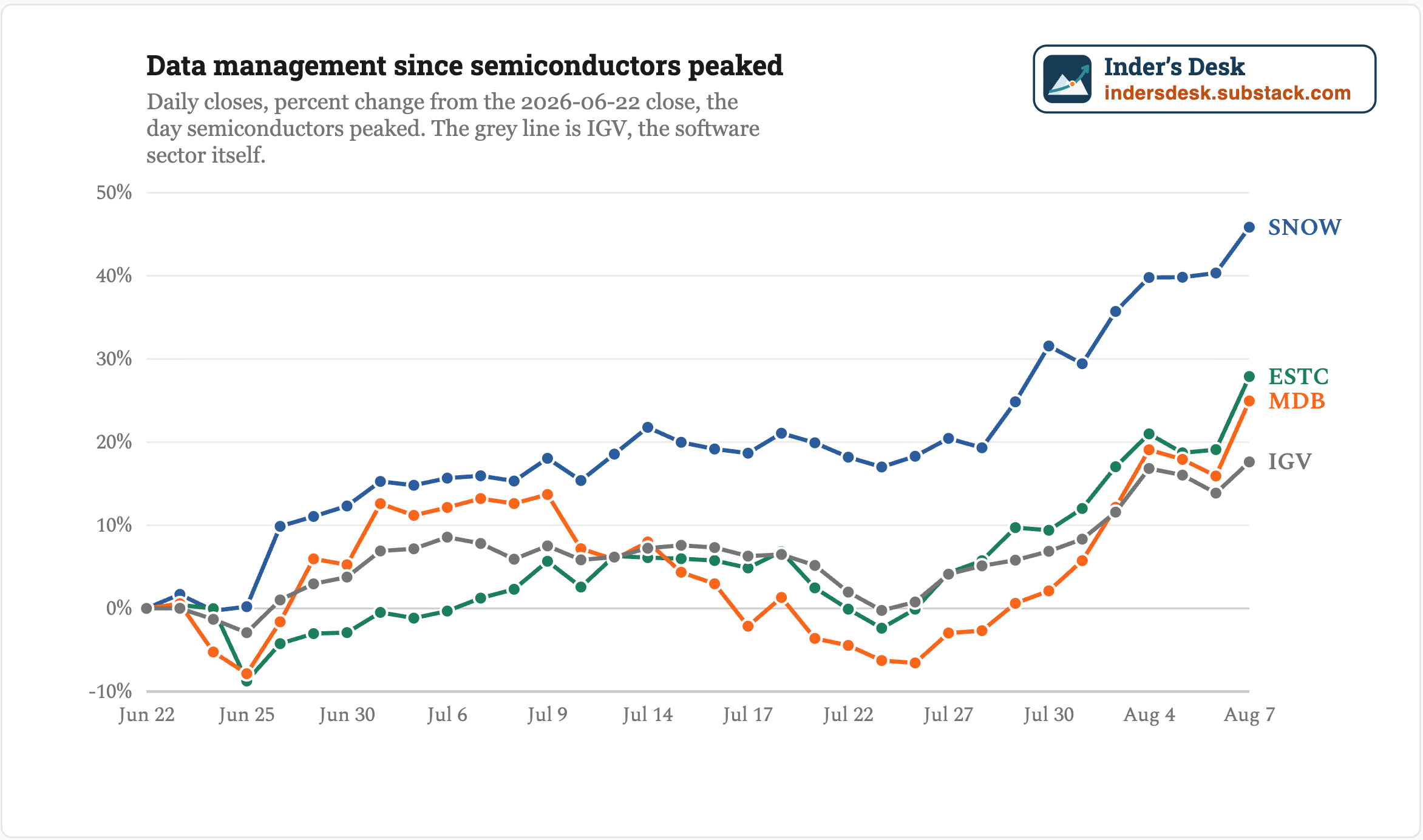
Snowflake SNOW 0.00%↑ sits on governed enterprise data. Its platform allows companies to store and analyze that information, while its AI products are extending the platform from answering questions toward managing actions taken by agents.
MongoDB MDB 0.00%↑ powers the operational applications where agents will increasingly work. Atlas stores the changing data behind those applications, and MongoDB is building memory that allows an agent to retain context between tasks.
Elastic ESTC 0.00%↑ specializes in search and retrieval. It helps an agent find the relevant information inside large volumes of enterprise data instead of relying only on what was included in its original prompt. Cheaper models make intelligence more abundant, but they also make trusted context more valuable.
What I’m Not Trading (Yet): Memory
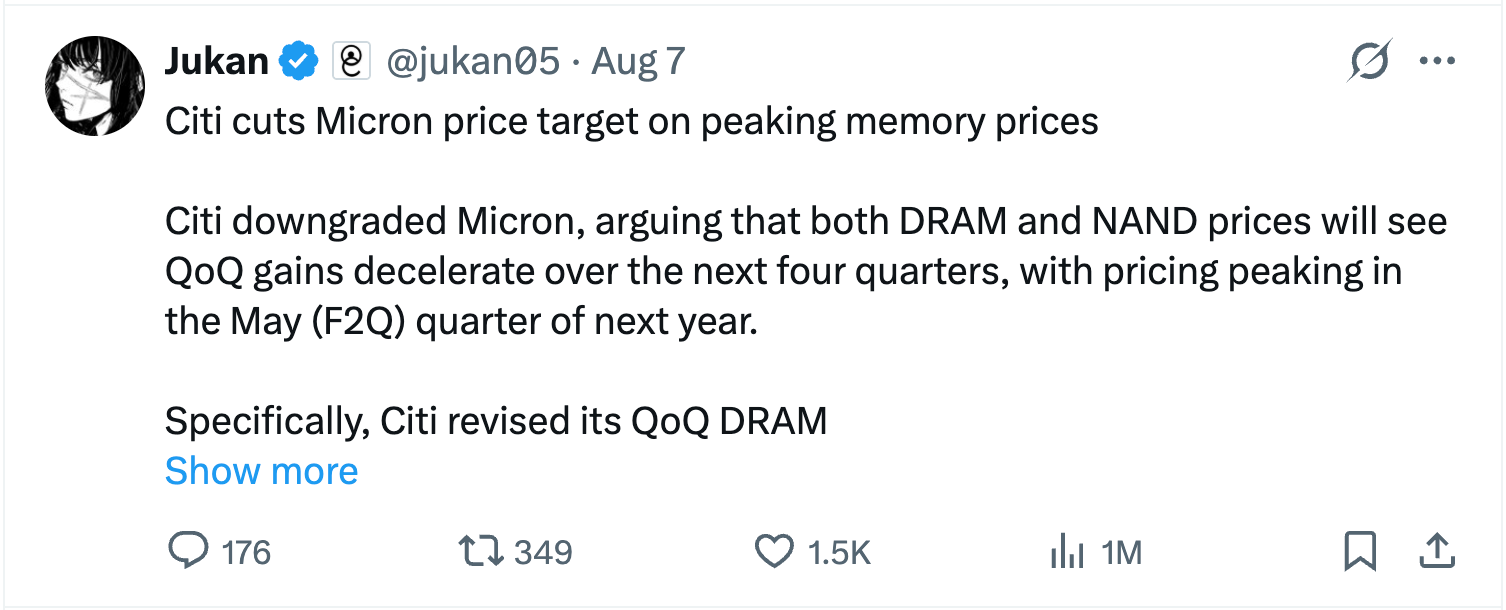
Memory became one of the most contested trades this weekend. The bull case rests on AI demand, tight supply in key products, and sustained capital spending. The demand is already visible. SKHY 0.00%↑ says customer requests continue to exceed its supply capacity, even as it prepares to expand production.
The bear case is more specific. Some long-term agreements may include price caps and floors that limit pricing upside. More supply is coming from new capacity and improving yields, including SK hynix’s high-yield HBM4 ramp. That lowers production costs and could bring more memory to market at lower prices.
If supply catches demand sooner than expected, ASPs and margins could peak even while AI demand remains strong.
Both sides have credible evidence. I do not have an edge while the signals are this conflicted.
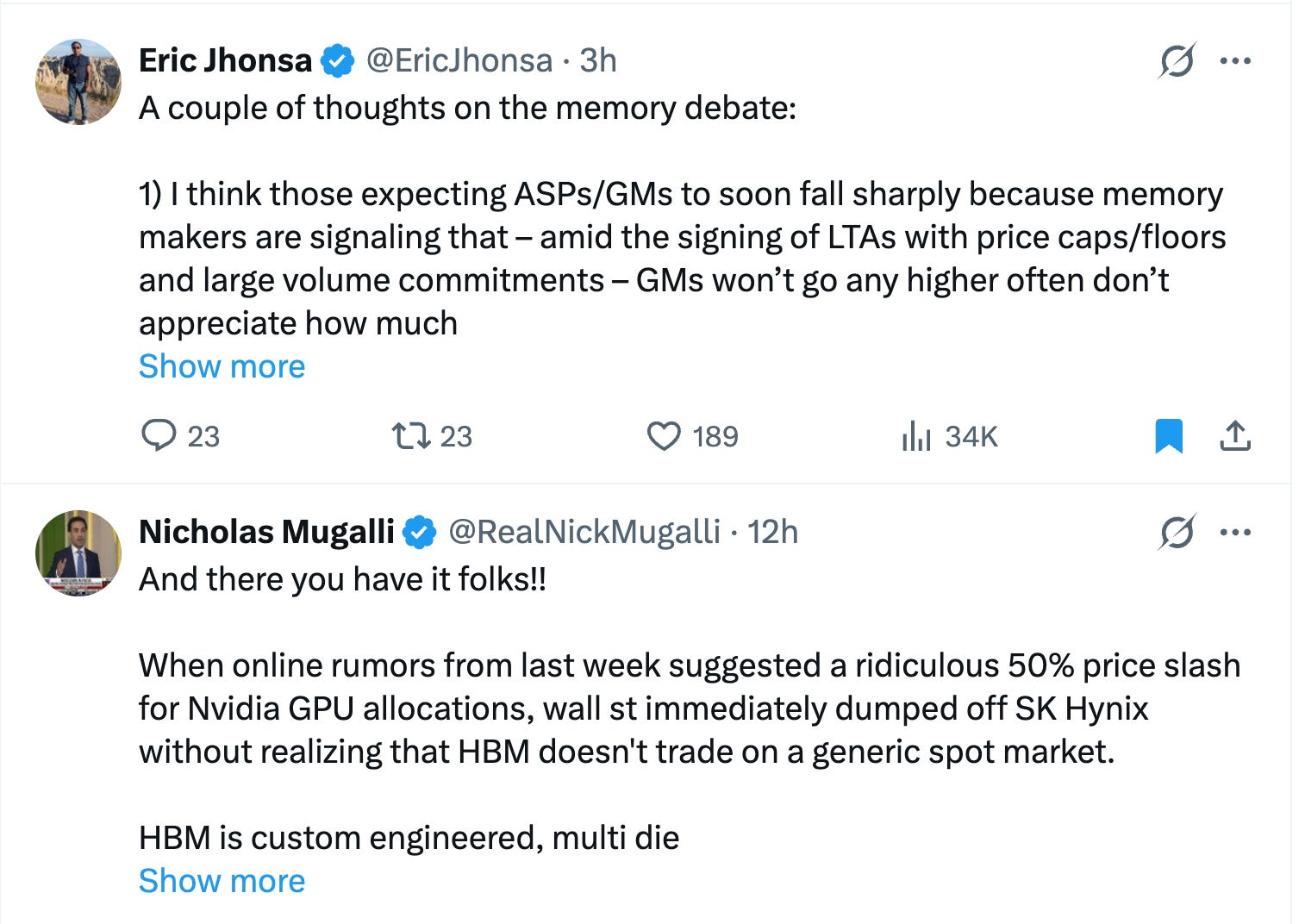
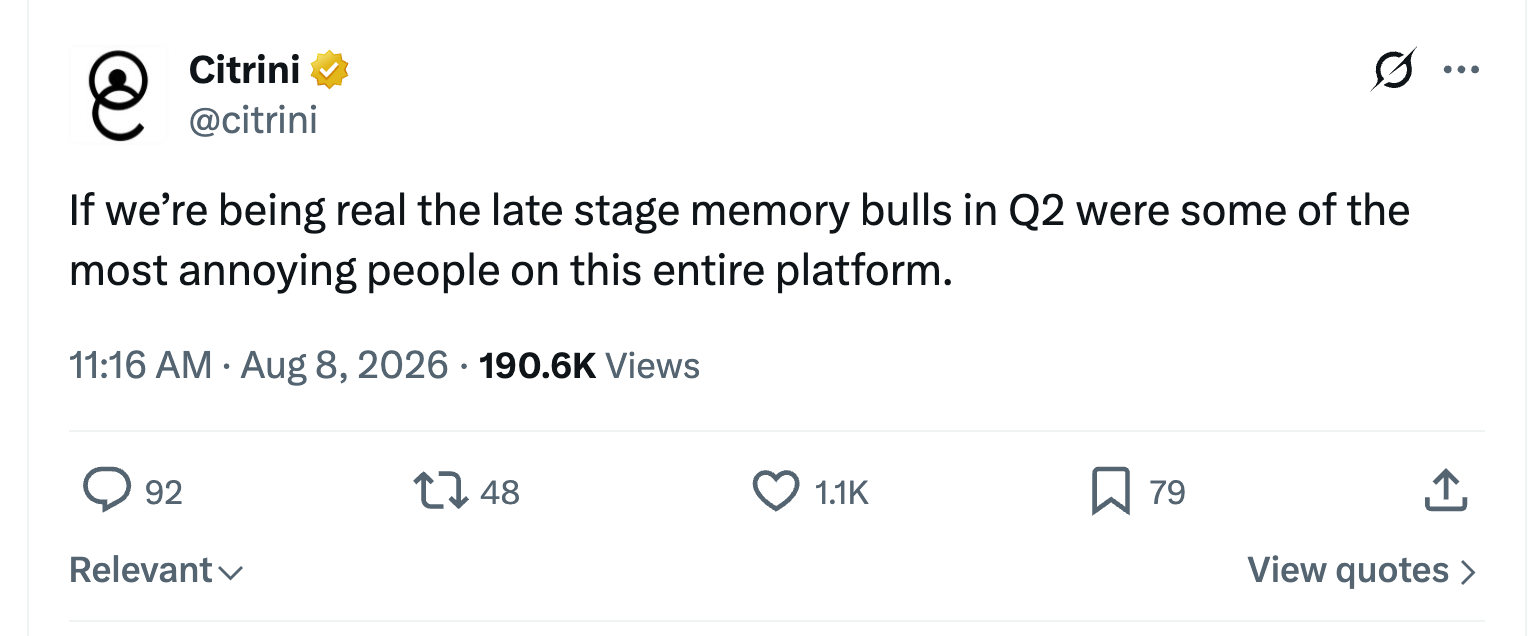
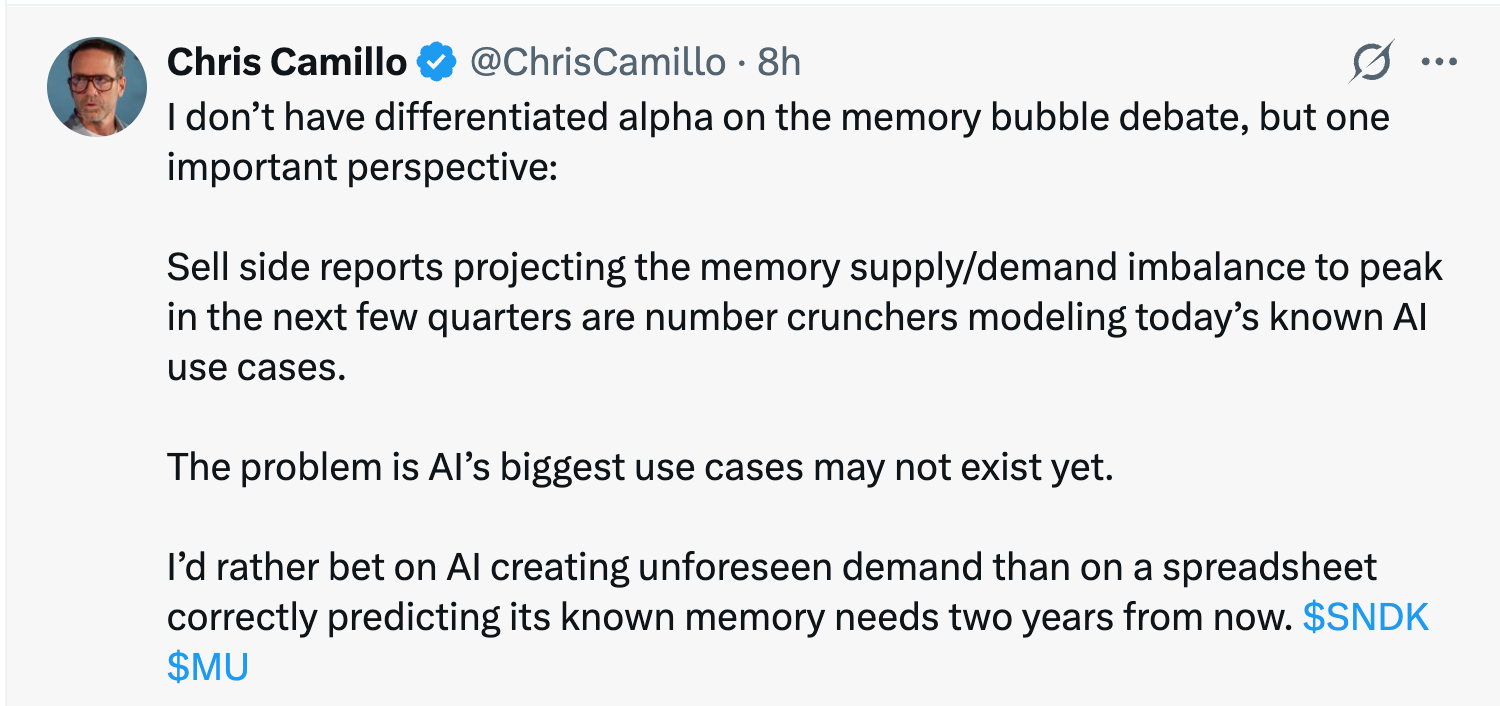
A trader once told me that once information is widely known, it is reflected in price almost immediately. The news is in the price.
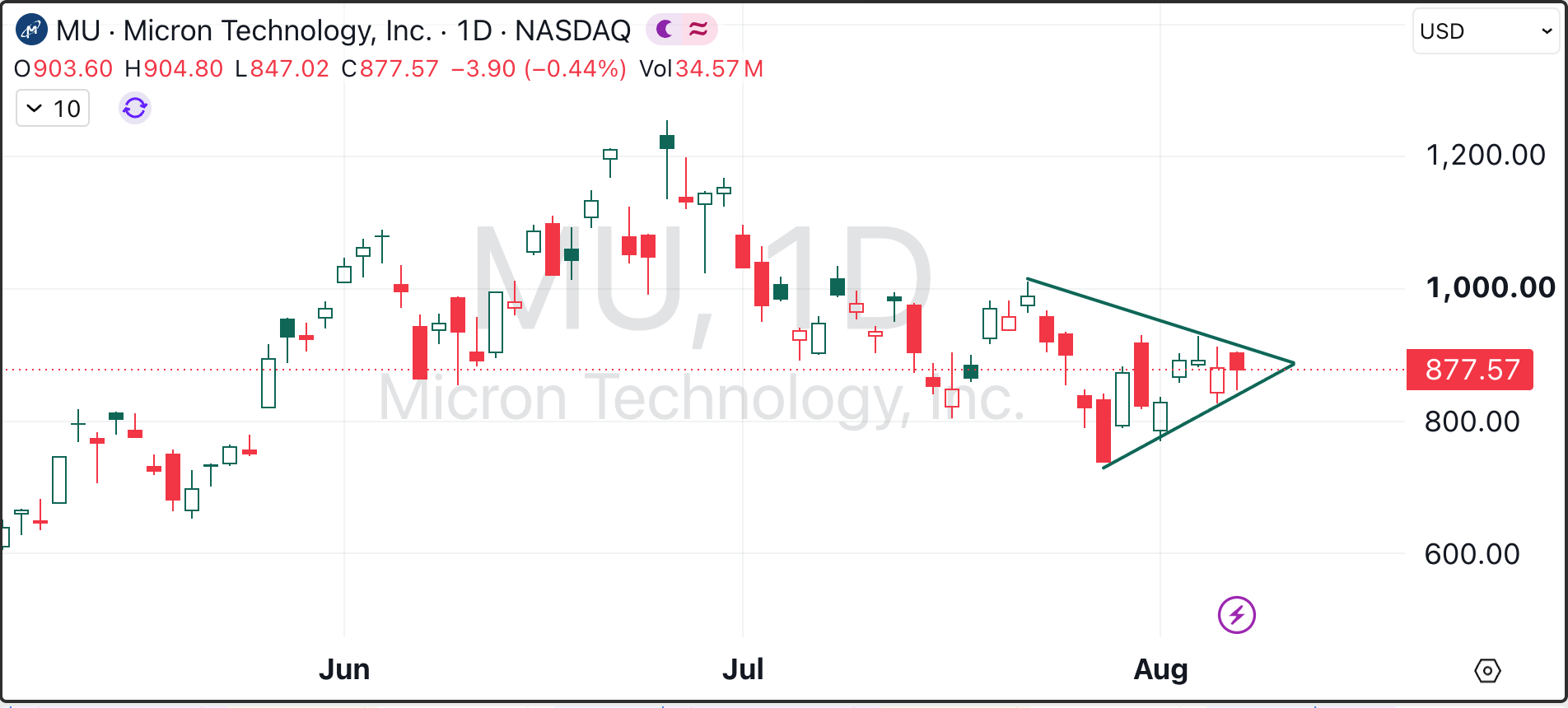
I want the stocks to absorb the weekend’s arguments and show me the next direction. Until price provides clearer confirmation, I am sitting out the trade. That is not a bearish prediction. It is a decision to wait for a better risk-reward.
Micron $MU is a bellwether for memory, and its chart may show which way the sector moves next.
I wrote about the memory sector in detail earlier.

The AMD Analog
The market has repriced a second-order AI beneficiary before. Once investors recognized that AI workloads were shifting from training toward inference, the CPU opportunity became easier to understand. AMD rose roughly 150% in two months.
Inference still depends heavily on accelerators, but CPUs manage much of the work around them, including data preparation, scheduling, networking, memory coordination, and the control plane. As inference volumes expanded, investors began assigning more value to those surrounding workloads.
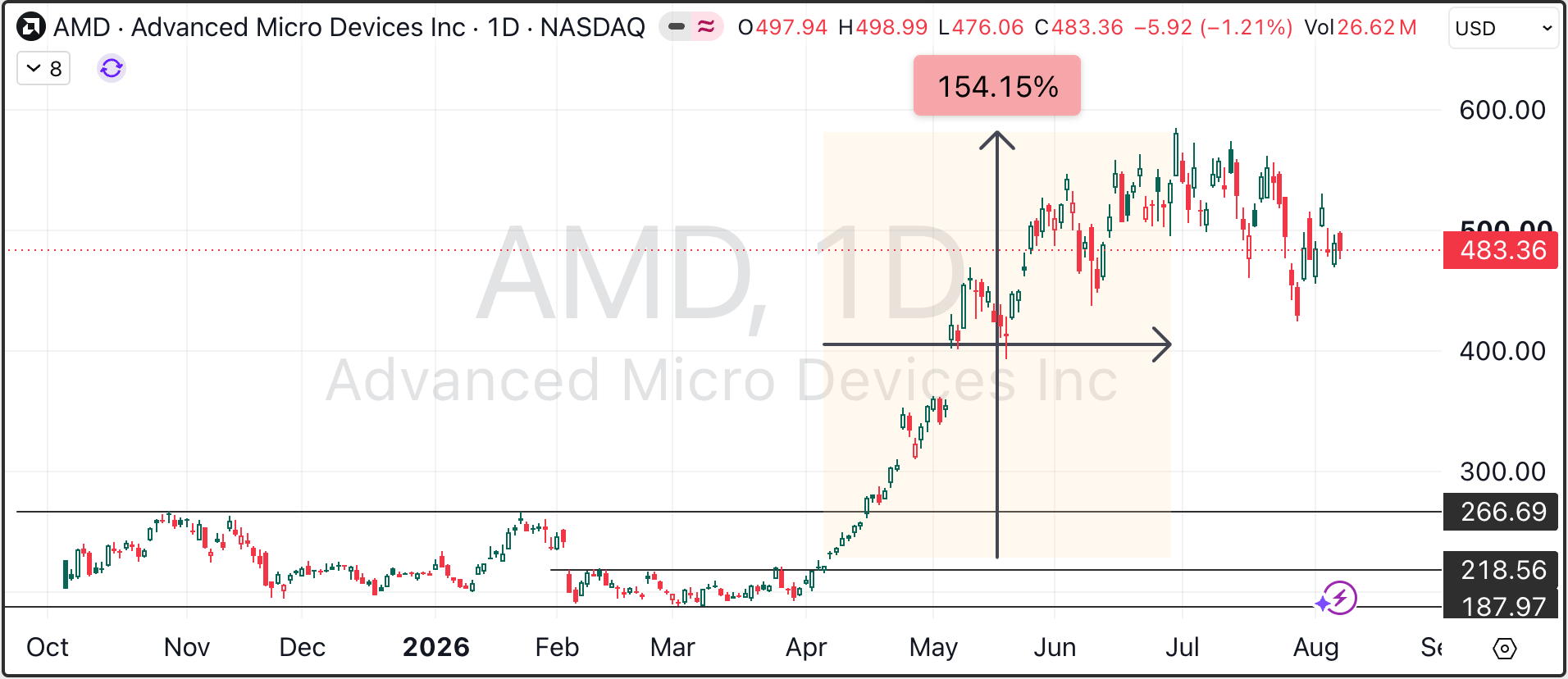
The analogy is not that cybersecurity and software must repeat AMD’s move. It is that the market can reprice a second-order beneficiary quickly once the connection between a technology shift and future revenue becomes visible. The improving charts in cybersecurity and enterprise software suggest that recognition may be beginning.
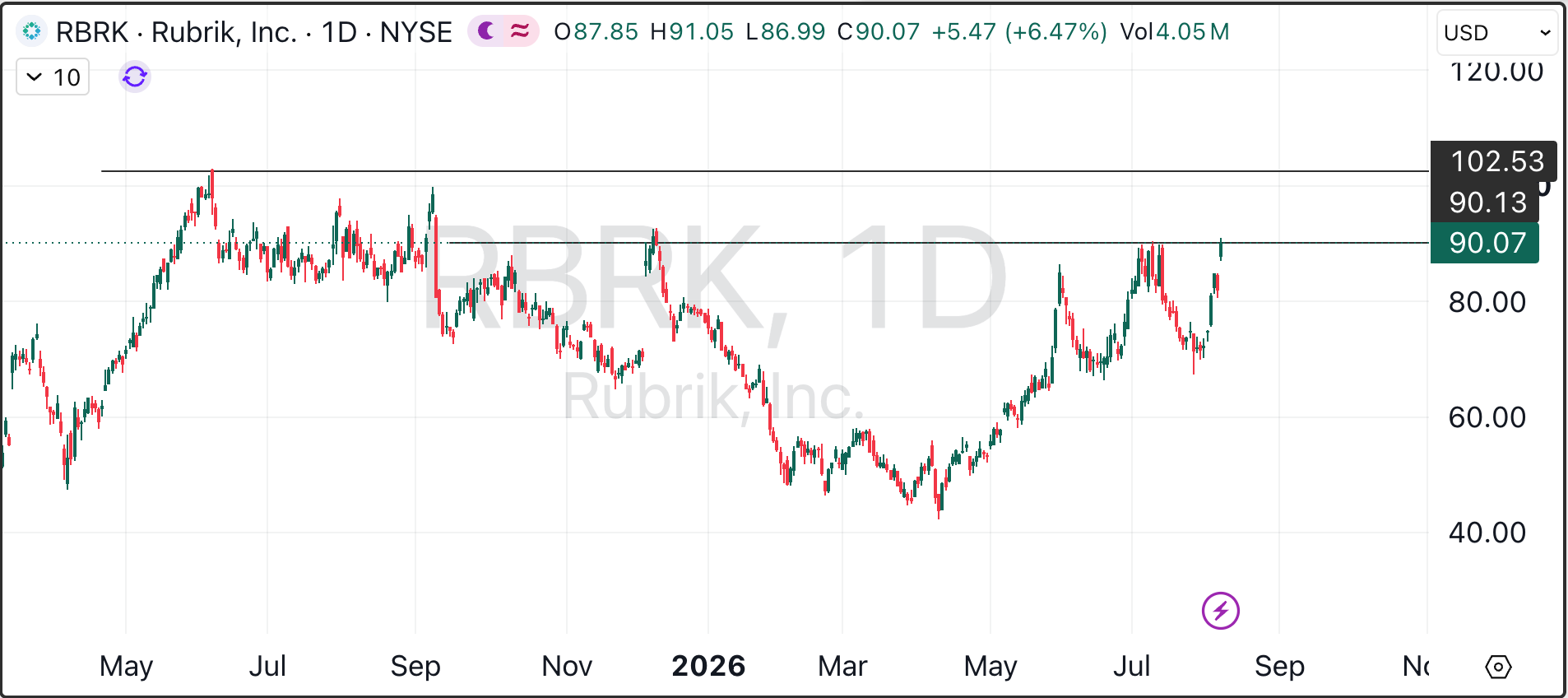
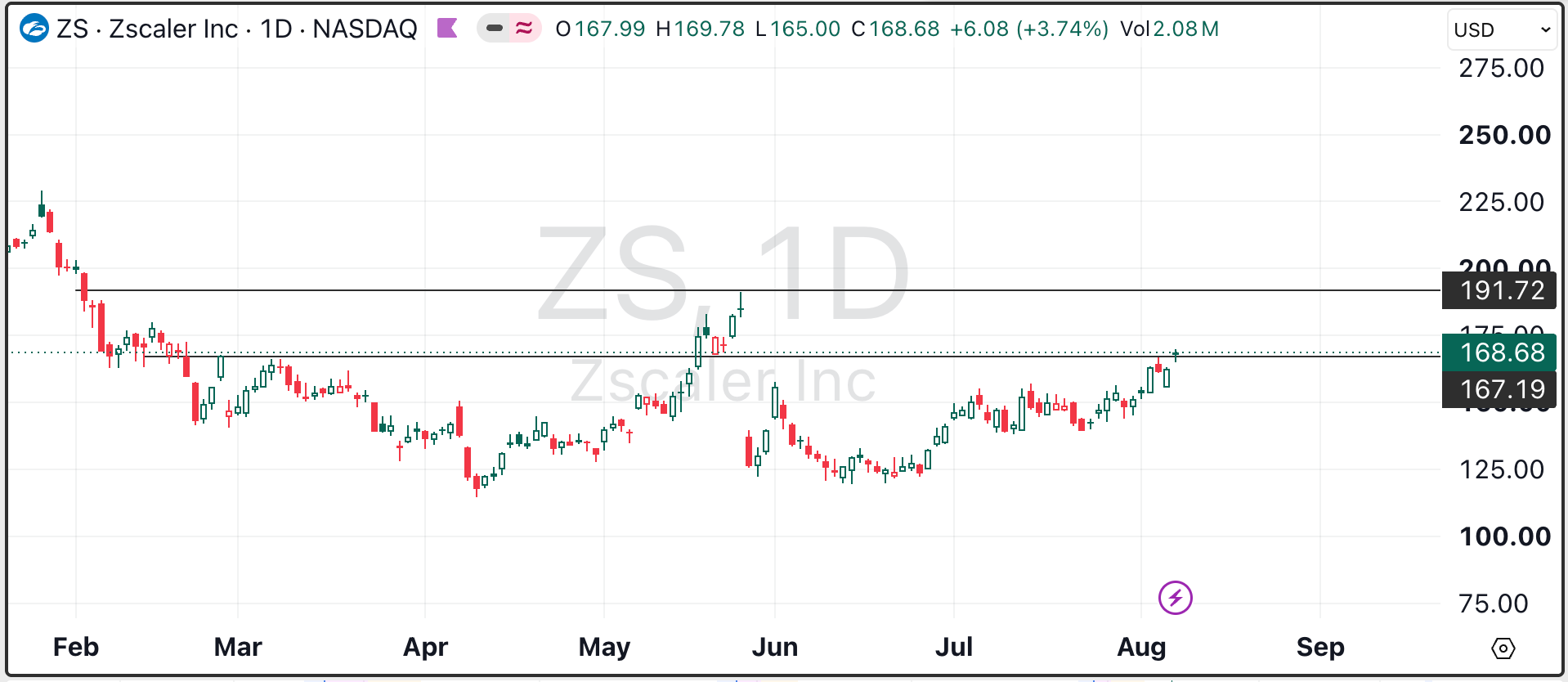
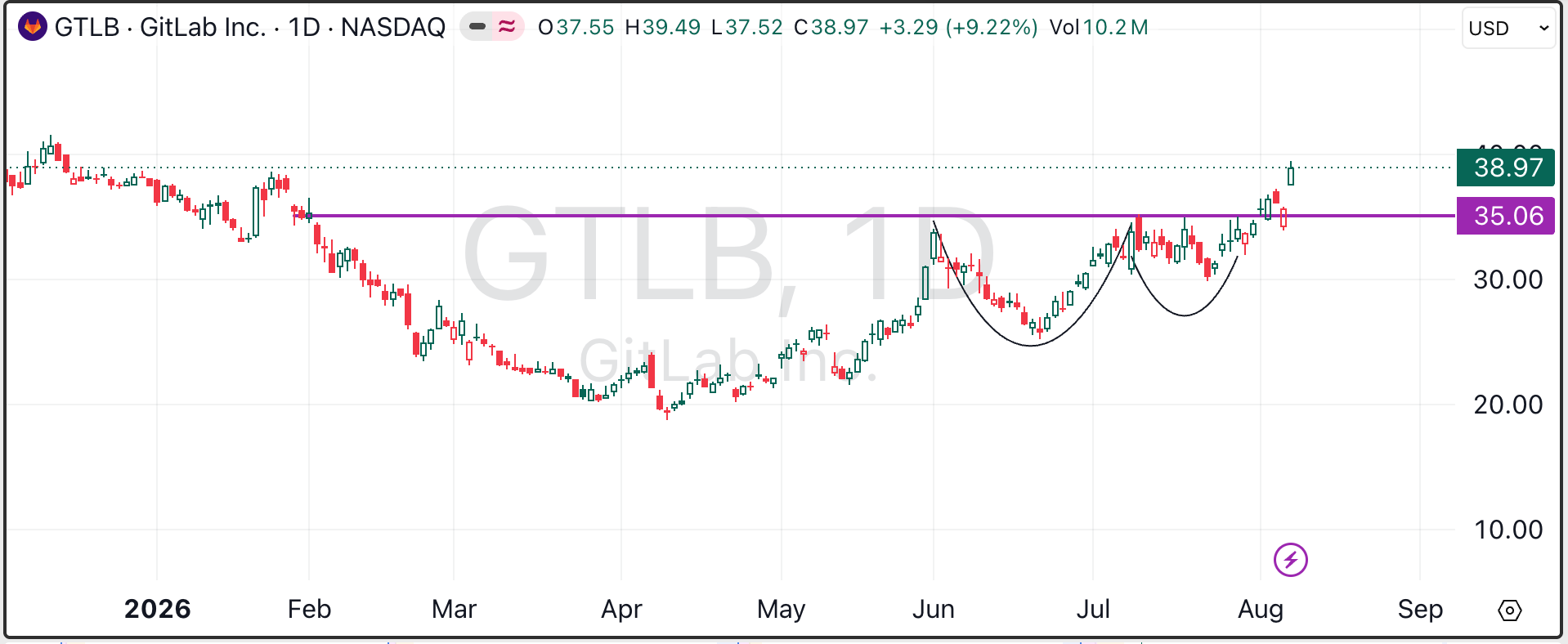
There is no need to chase every company attached to the theme. The opportunity becomes actionable when the fundamental thesis, technical confirmation, and risk-reward align. We can let the market show us which companies are becoming leaders.
An Overlooked AI Beneficiary
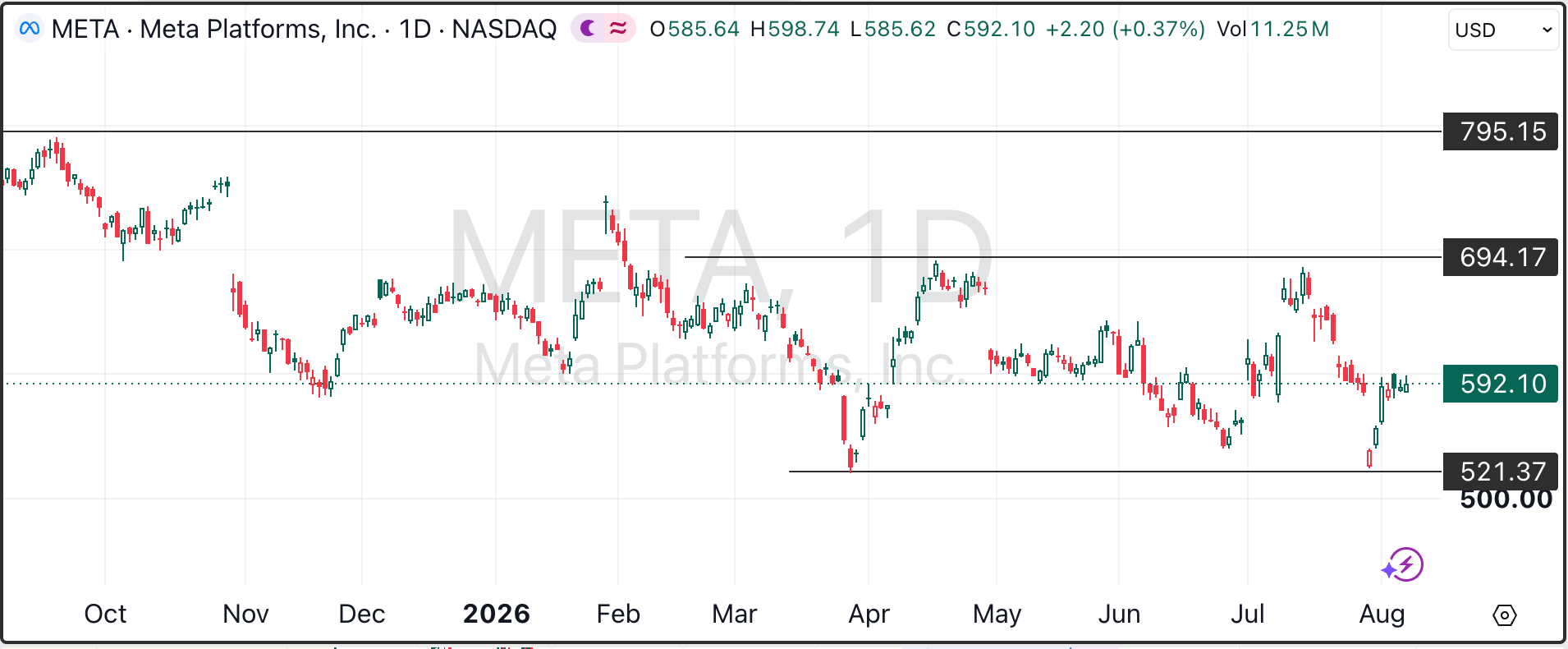
The same second-order logic may now be appearing in a megacap. META 0.00%↑ is usually valued as an advertising platform, but its AI models and infrastructure are creating additional ways to monetize the investment.
Three Paths to Monetization
The first path is the core business. AI improves content recommendations, advertising performance, and the tools available to businesses. In the second quarter, Meta grew revenue 28%, while ad impressions increased 14% and the average price per ad rose 12%.
The second path is the developer platform. Muse Spark 1.1 is built for agentic tasks, coding, computer use, and multi-agent orchestration. Meta now offers the model through the Meta Model API, giving developers another foundation for building agents and creating a new enterprise revenue opportunity.
The third path is infrastructure. Zuckerberg has said that renting compute to outside customers may make sense when the external return is higher than the internal use. Meta has not committed to becoming a cloud provider, but Meta Compute gives it the option to monetize infrastructure as well as models.
The stock reacted sharply as the market began to recognize this optionality and has now spent four sessions consolidating near 580. That is constructive, but the chart still needs confirmation.
For now, I view META as a lower-conviction setup. A close above 700 would strengthen the trend and suggest that the market is beginning to price in the broader AI opportunity.
A Conditional Market Analog
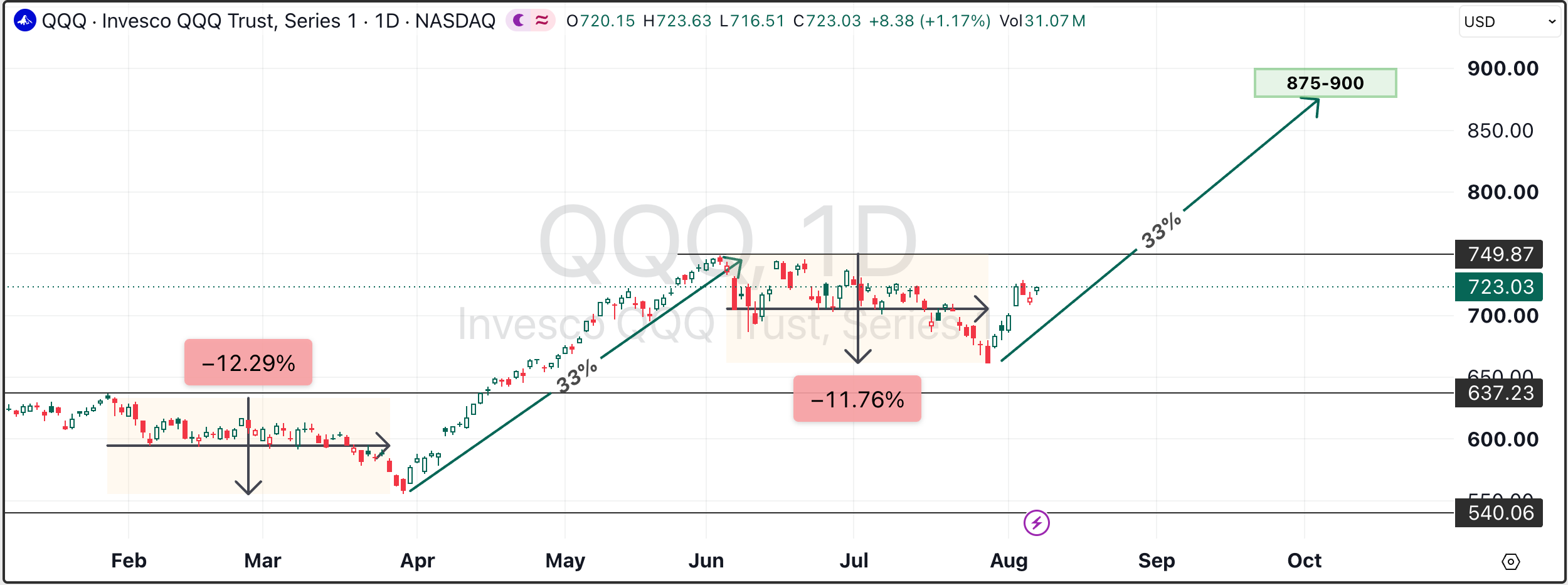
From January 28 to March 30, 2026, QQQ fell about 12%. It then rallied roughly 30% over the next two months, led by AI.
From June 22 to July 29, QQQ again fell about 12%. If the same pattern were to repeat, QQQ could approach 900 by early fall.
In Conclusion
That is a scenario, not a prediction. It matters only while price, breadth, and leadership continue to confirm it. A failure to hold the recent low would invalidate the analog.
Stay positive, manage risk, and do not fight price in either direction. There is no need to chase. Let the market confirm.
I would love your feedback. Send me a message directly.
Disclaimer:
This article is for informational and educational purposes only and does not constitute financial, investment, tax, or legal advice. Any opinions, scenarios, price targets, or market observations reflect my personal views and may change without notice. Investing and trading involve substantial risk, including the possible loss of principal. You are solely responsible for your own investment decisions, position sizing, risk management, and trades. Conduct your own research and consult a qualified professional where appropriate.